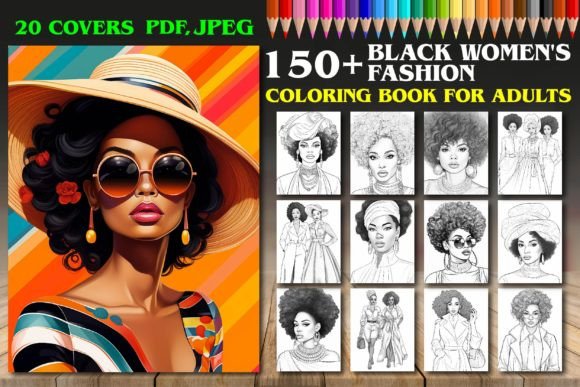
Black Women’s Fashion Coloring Pages
For adults seeking both creative fulfillment and cultural resonance, Black Women’s Fashion Coloring Pages offer more than just line art—they provide a thoughtful, affirming space where style, identity, and mindfulness intersect. This collection isn’t built around generic silhouettes or outdated tropes. Instead, it centers real expressions of Black women’s sartorial confidence: bold headwraps, tailored blazers with architectural shoulders, vibrant Ankara prints, sleek updos paired with gold hoops, modern athleisure, and evening gowns that celebrate diverse body shapes and proportions. Each illustration honors stylistic nuance—whether it’s the drape of a maxi skirt, the texture of a crochet crop top, or the silhouette of a custom-fit suit—making the coloring experience feel intentional and respectful.
A Practical Tool for Creativity—and Calm
Coloring isn’t just a nostalgic pastime—it’s a low-barrier entry point into focused attention. Unlike digital tasks that demand rapid switching and constant input, working with Black Women’s Fashion Coloring Pages invites sustained presence. The 150+ illustrations are deliberately designed with varying complexity: some feature fine linework ideal for colored pencils or fine-tip markers, while others use bolder outlines suited for beginners or those managing hand fatigue or visual strain. That range means you can choose what supports your energy level *today*—not what fits a preset “difficulty level.” A marketing professional winding down after back-to-back Zoom calls might spend 20 minutes shading a minimalist jumpsuit sketch to reset mental bandwidth. A teacher preparing lesson plans could color a page featuring a Black woman in a lab coat and glasses—then scan it into a classroom poster celebrating STEM role models.
Designed for Real-World Use—Not Just Decoration
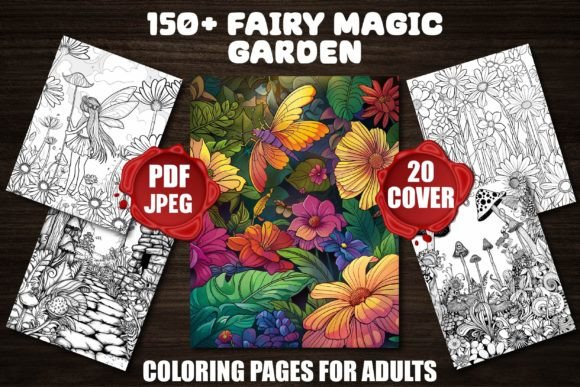
The technical specs reflect practical needs, not just marketing claims. At 300 DPI and sized for standard A4 (8.5×11 inch) paper, every page prints cleanly without pixelation or awkward cropping—even on home printers. JPEG files allow flexibility: import them into Canva or Adobe Express to add quotes, layer textures, or adapt layouts for social media posts. The included PDF is print-ready out of the gate—no reformatting needed if you’re assembling a physical book for personal use or small-batch sales. And the 20 high-res PNG cover files? They’re not decorative extras. They’re functional assets: resize one to fit an Etsy banner, overlay text for a KDP paperback spine, or adapt colors to match your brand palette—all without losing fidelity.
Who Benefits Most—and Why It Matters
This collection serves several overlapping audiences with distinct needs. Self-publishers building niche coloring books on Amazon KDP appreciate the ready-to-use interior files and cover assets—cutting hours off layout work while ensuring cultural authenticity that resonates with buyers searching for representation. Educators and counselors use select pages in workshops on self-expression, identity development, or art therapy—especially with teens and young adults navigating questions of visibility and belonging. Creatives and content creators repurpose elements ethically (with proper licensing review): a stylized afro puff illustration becomes part of a mood board; a patterned scarf design inspires textile swatches; a confident pose informs character sketches for animation projects.
It’s also valuable for people who’ve long felt excluded from mainstream adult coloring trends. Many popular books default to Eurocentric features, narrow beauty standards, or fashion references that ignore diasporic influences. With Black Women’s Fashion Coloring Pages, there’s no need to mentally “translate” or edit the imagery to see yourself reflected. That quiet affirmation—seeing your hair texture, skin tone, and style traditions honored in line art—carries measurable emotional weight, especially after prolonged exposure to underrepresentation.
Thoughtful Considerations Before You Begin
While the collection excels in representation and usability, it’s worth noting its scope. These are black-and-white line drawings—not instructional fashion sketches or sewing patterns. If you’re looking for technical garment drafting, fabric guides, or historical context about specific styles (e.g., the evolution of the dashiki), this isn’t that resource. Likewise, the focus is intentionally on fashion—not broader themes like family, nature, or spirituality—so users seeking multidimensional subject matter may want to supplement with other collections.
Also, because the files are delivered digitally, access depends on basic tech literacy: downloading ZIP folders, extracting files, and opening PDFs or JPEGs. For older adults or those less comfortable with file management, pairing the download with a simple printed guide—or having a friend assist with the first setup—makes the experience smoother. And while the designs avoid stereotypes, individual interpretation still matters: choosing colors, mediums, and pacing remains deeply personal. There’s no “right” way to engage—only what feels grounding, expressive, or joyful for you.
More Than Lines on Paper
What makes Black Women’s Fashion Coloring Pages stand out isn’t just quantity or resolution—it’s intentionality. Every page carries quiet narrative weight: a woman adjusting her glasses while sketching at a café table, another balancing a stack of books and a tote bag mid-stride, a third standing tall in a wide-leg pant suit against a city skyline. These aren’t passive figures waiting to be “filled in.” They’re active presences—confident, contemporary, and culturally grounded. That subtlety transforms coloring from decoration into dialogue: with yourself, with tradition, with possibility.
Whether you’re using it to decompress after a demanding day, prototype visual ideas for a side hustle, support students in exploring identity, or simply reclaim 15 minutes of undistracted presence—this collection meets you where you are. It doesn’t promise transformation, but it does offer consistency: clean lines, cultural care, and creative permission. No trend-chasing. No overcomplication. Just space—thoughtfully drawn, respectfully rendered, and ready for your voice.